
Best Sunrise Alarm Clocks 2026: Stop Waking Up Tired in Winter
Waking up in January feels unnatural. Your body is fighting millions of years of evolution that says, “It’s dark, stay asleep.” The result? You wake up groggy, irritable, and already behind on your day. This is often triggered by Seasonal Affective Disorder (SAD) or simply a lack of natural light cues.
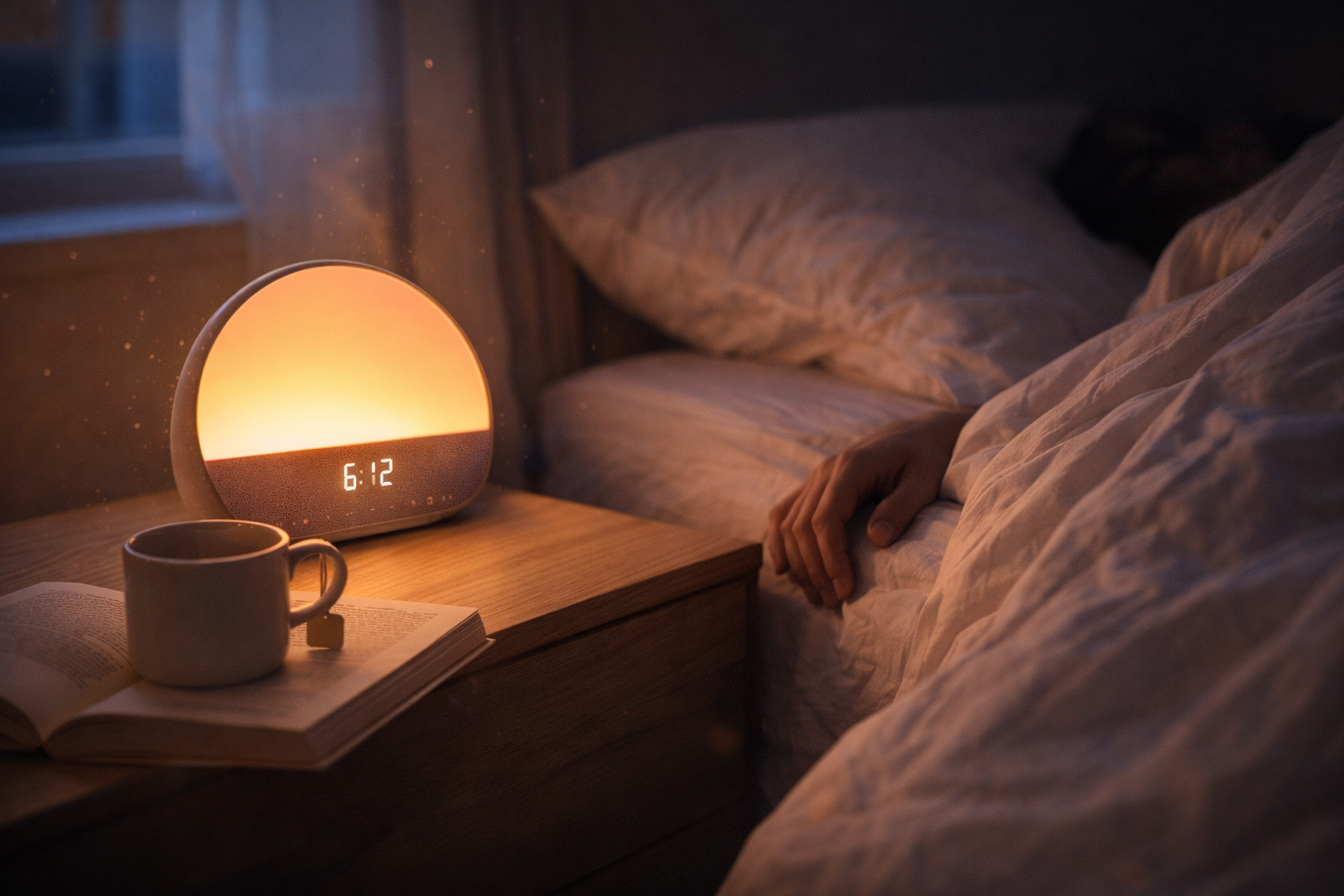
Enter the Sunrise Alarm Clock. By simulating a natural dawn 30 minutes before your alarm goes off, these devices suppress melatonin and boost cortisol, tricking your brain into thinking it’s summer. But with options ranging from $30 to $200, is the premium tech worth it?
We tested the viral Hatch Restore 3, the medical-grade Philips SmartSleep, and top budget contenders to find the best way to start your morning in 2026.
Jump to Comparison📖 Table of Contents
1. Quick Comparison: All Models
See how the top contenders stack up against each other.
| Product | Best For | Key Feature | App Control |
|---|---|---|---|
| Hatch Restore 3 | 🎨 Aesthetics | Sleep Content Library | Yes (Premium) |
| Philips SmartSleep | 🏥 Reliability | Clinically Proven Light | No |
| JALL Wake Up | 💰 Budget | 7 Color Options | No |
| Dekala Arches | ⚡ Tech Lovers | Wireless Charging | Yes |
2. Best Aesthetic: Hatch Restore 3 (Bundle)
The Hatch Restore 3 is the viral sensation of 2026. It is not just an alarm clock; it’s a “smart sleep assistant.” We reviewed the Home & Away Bundle, which is excellent value as it includes the main Restore 3 unit plus the portable Rest Go for travel.

Why It Wins
The “Unwind” Routine: Hatch excels at putting you to sleep, not just waking you up. You can program a routine that starts with a warm reading light, fades into a guided meditation, and ends with pink noise. The light quality is unmatched—soft, diffuse, and premium.
| The Good (Pros) | The Bad (Cons) |
|---|---|
|
|
3. Most Reliable: Philips SmartSleep Wake-up Light
Before Hatch, there was Philips. The Philips SmartSleep HF3520 is the “classic” choice. It doesn’t need Wi-Fi or apps—it just works. It is one of the few lights clinically proven to improve waking energy.

Why It Wins
Color Accuracy: Cheaper clocks just turn on a white light. The Philips transitions from a deep morning red, to orange, to bright yellow, perfectly mimicking a real sunrise. This spectral shift is key for triggering your circadian rhythm properly.
| The Good (Pros) | The Bad (Cons) |
|---|---|
|
|
4. Best Budget: JALL Wake Up Light
If you aren’t sure if light therapy will work for you, start here. The JALL Wake Up Light costs a fraction of the big brands but delivers 90% of the functionality.

Why It Wins
Feature Packed: Despite the low price, it includes dual alarms (one for weekdays, one for weekends), 7 different colors (great for kids’ nightlights), and an FM radio. It gets surprisingly bright, ensuring you wake up.
| The Good (Pros) | The Bad (Cons) |
|---|---|
|
|
5. Best Tech: Dekala Arches
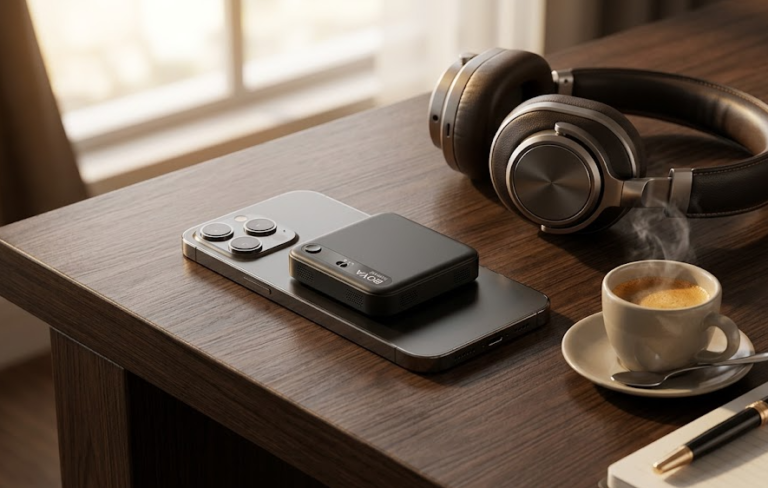
The Dekala Arches is the “Swiss Army Knife” of bedside gadgets. It combines a sunrise alarm, a sound machine, and a fast wireless charger into one sleek, arch-shaped device.

Why It Wins
Smart Connectivity: It works with Alexa and Google Home, meaning you can turn off the alarm with your voice. The 15W wireless charging pad on top is a massive convenience, saving you an extra plug socket.
| The Good (Pros) | The Bad (Cons) |
|---|---|
|
|
6. Buying Guide: How to Choose
1. Lux (Brightness): You need a light capable of reaching at least 200-300 Lux to effectively suppress melatonin. The Philips and Hatch are the brightest options here.
2. Color Temperature: Look for a “warm to cool” transition. Cheap lights just fade from “dim white” to “bright white.” Good lights (Philips/Hatch) fade from “Red” to “Orange” to “Yellow.”
3. Backup Power: Ensure the clock has a battery backup (like a CR2032 button cell) so your alarm still goes off if the power cuts out overnight.
7. Pro Tips for Better Sleep
8. Extended FAQ
Do sunrise alarms work for heavy sleepers?
Does the light emit blue light?
Can I use my own music?
Does it help with Seasonal Affective Disorder (SAD)?
😴 Morning Person or Night Owl?
Are you trying to become a “Morning Person” in 2026?
Comment below: What is the one thing that gets you out of bed?
🚀 Deals Alert!
We track price drops on Hatch and Philips daily. Join our Telegram.
🇺🇸 Join USA Deals Channel 🇪🇺 Join Europe Deals Channel
Start Your Own Lifestyle Blog!
Share your morning routine and earn income. Start your blog today with up to 75% off hosting.
Claim Hostinger Discount